10 Things Europe Does Better Than the USA
(From the perspective of a family who travels often, both IN and OUT of the United States)
Before diving in, I want to be clear about one thing: this is not an “America-bashing” post.
We live in the United States. We’re raising our kids here. We’re grateful for many things about this country, and we don’t take lightly the privileges that come with being American.
But after spending meaningful time traveling throughout Europe – across multiple countries, cities, and regions – certain patterns start to stand out. These aren’t one-off experiences or rose colored vacation glasses. They’re systems and policy choices and they shape daily life in ways that often feel more balanced.
So here are ten areas where Europe, in our experience, tends to do things better – not because it’s perfect, but because many of its choices prioritize livability, accessibility, and quality of life.
1. Transportation That Actually Works
(Within cities and between them)
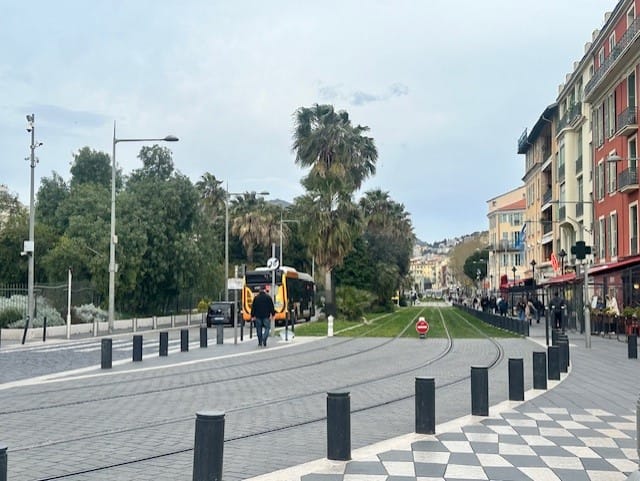
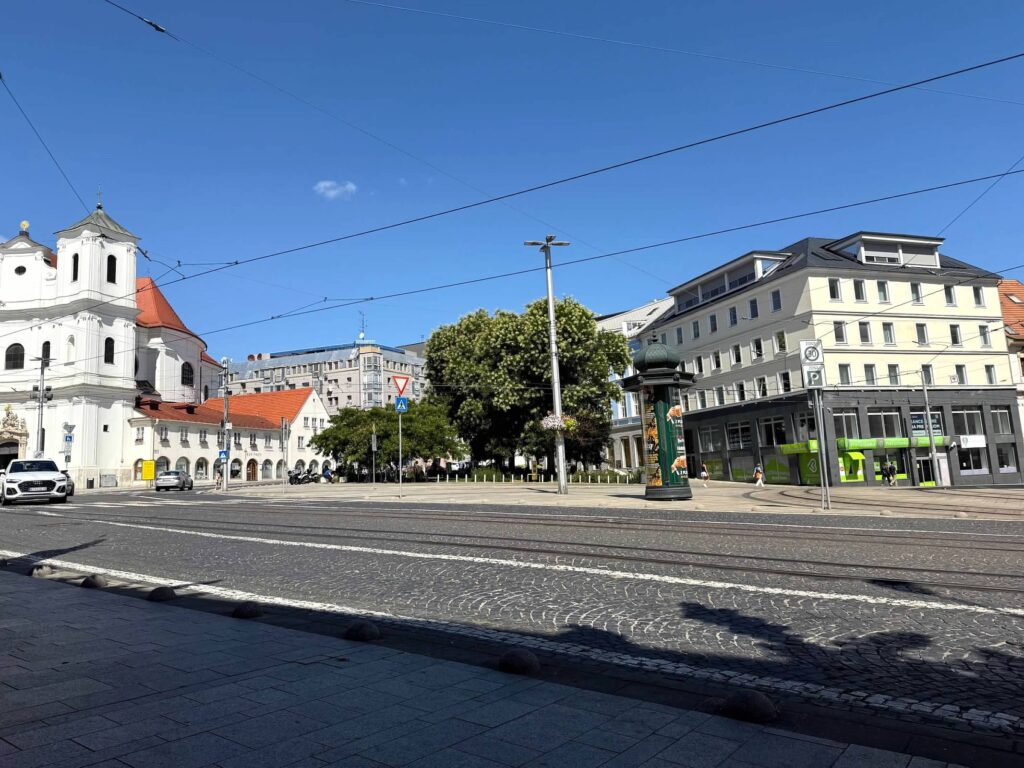
In much of Europe, public transportation isn’t a fallback option – it’s the default.
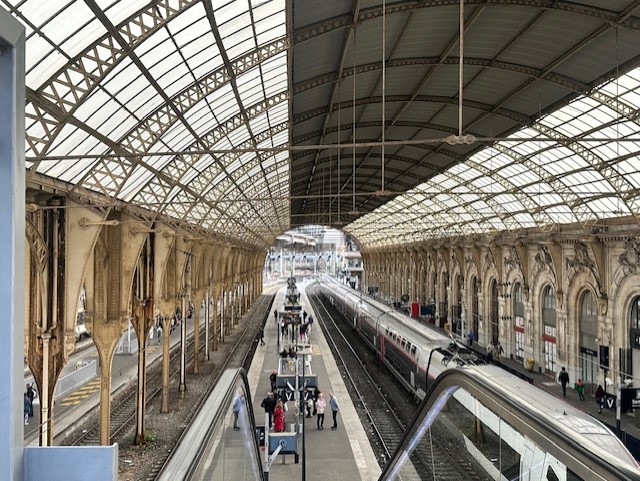
Trains are frequent, reliable, and connect city centers to city centers. Subways, trams, and buses are clean, intuitive, and usable by people of all ages. You don’t need a car to live well, and you certainly don’t need one to travel.
In the U.S., public transportation is often underfunded or nonexistent outside a few major cities. Long-distance travel usually means flying or driving – both expensive and stressful. We also often frown upon people that need to use public busses or trams, rather than encouraging it.
In Europe, hopping on a train between countries can feel as routine as a daily commute. That accessibility changes how people move, who gets to travel, and how connected communities feel.
2. Community Spaces Designed for Daily Life
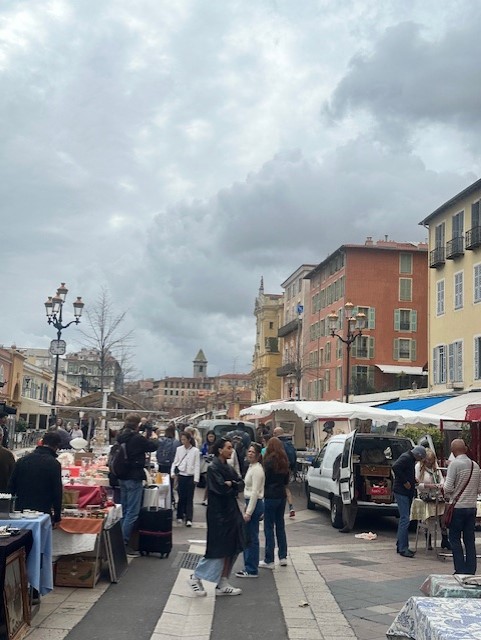
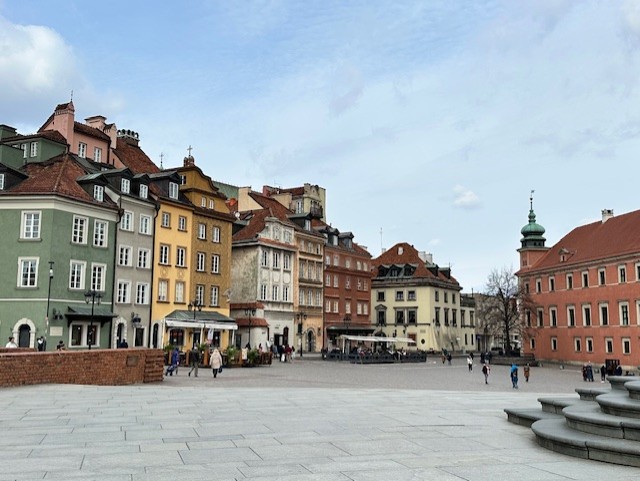
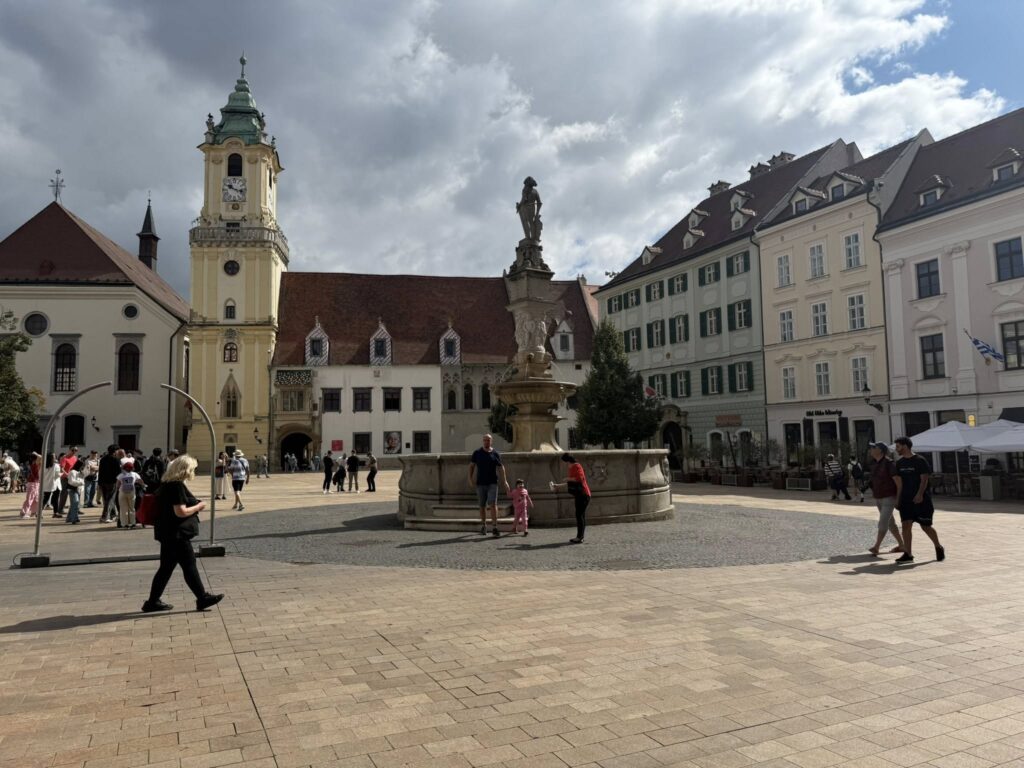
European towns and cities are filled with plazas, squares, promenades, and cafés designed for lingering.
People meet friends, bring their kids, walk their dogs, sit with coffee or wine, and simply exist together in public. Many of these spaces don’t require spending money – they’re 3rd spaces meant for connection.
In the U.S., social life is often privatized: restaurants, malls, paid attractions, or private homes. Free, welcoming public gathering spaces are harder to find, especially outside major cities. There aren’t many scenarios I can think of where people just wander to a central plaza in the evenings, or meet up after work. These 3rd spaces are severely lacking in the US.
The result is subtle but meaningful: in Europe, community feels built into daily life. In the U.S., it often has to be intentionally created.
3. Walkability and Integrated Green Spaces
In Europe, walkability isn’t a trend — it’s an expectation.
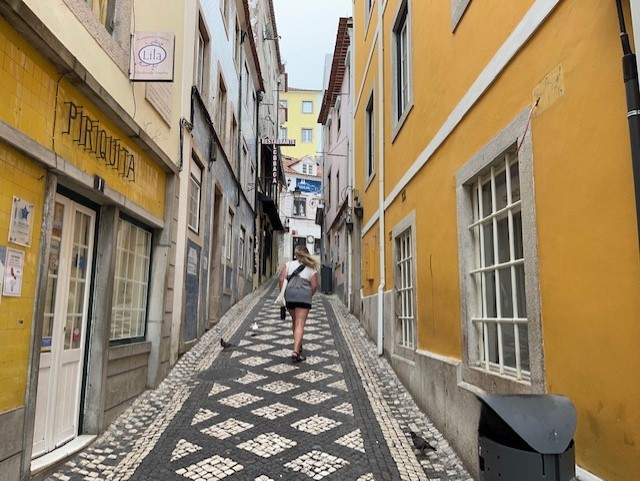
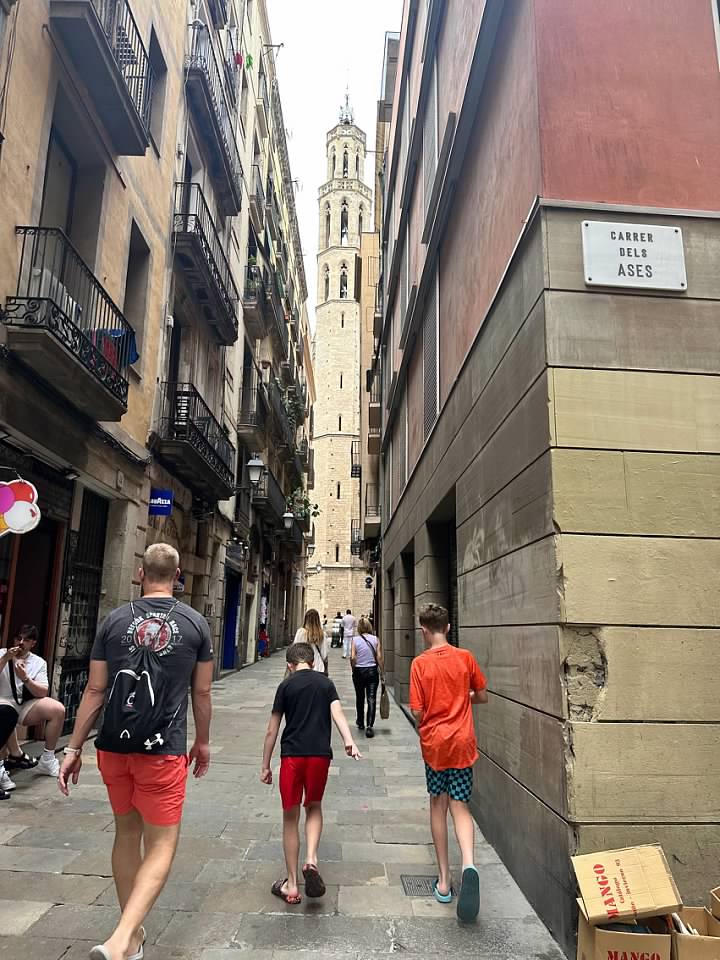
Daily errands are done on foot. Schools, bakeries, parks, pharmacies, and cafés are woven into neighborhoods. Anything you could need is usually within a 10 minute walk. Every European city we’ve stayed in, we were able to walk to a market, to get dinner and to a community square all within 15 minutes or less. Additionally, Even dense cities manage to preserve green spaces and tree-lined streets.
In the U.S., zoning laws and car-centric planning often make walking impractical or unsafe. Green spaces exist, but they’re frequently disconnected from where people live.
European city design encourages movement, casual interaction, and physical activity.
4. A Broader Investment in Families
This difference is especially noticeable when traveling with kids.
In many European countries, paid parental leave is standard. Healthcare is not tied to employment. Childcare is subsidized. Families are treated as a public good – not a private problem.
In the U.S., starting or growing a family often comes with financial risk. Paid leave is not guaranteed and inconsistent (we are the only developed nation to not guarantee leave), childcare costs are overwhelming (and some of the highest in the world for developed nations), and healthcare insecurity adds constant stress.
These policies shape childhood, workforce participation, and overall well-being. Europe treats family support as infrastructure. In the U.S., it often feels optional.
5. Food Quality and a Strong Local Food Culture
Every time we visit Europe, I look forward to the food culture. The food is fresh and dining is a relaxing experience, not a rushed event. I can go for a week eating pasta and gelato every day and still feel less bloated and full!
Ingredients are fresher, more regulated, and portion sizes are reasonable. Local bakeries, markets, and neighborhood restaurants are part of daily life. Chains exist, but they don’t dominate city centers.
In the U.S., highly processed food is cheap and ubiquitous, while healthier options often cost more. Europe’s food culture reflects different priorities: quality, tradition, and sustainability over speed and scale.

6. History as a Living Part of Daily Life
In Europe, history isn’t confined to museums.
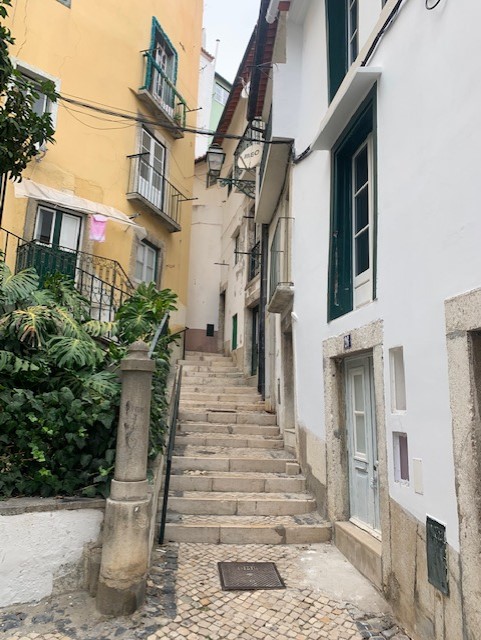
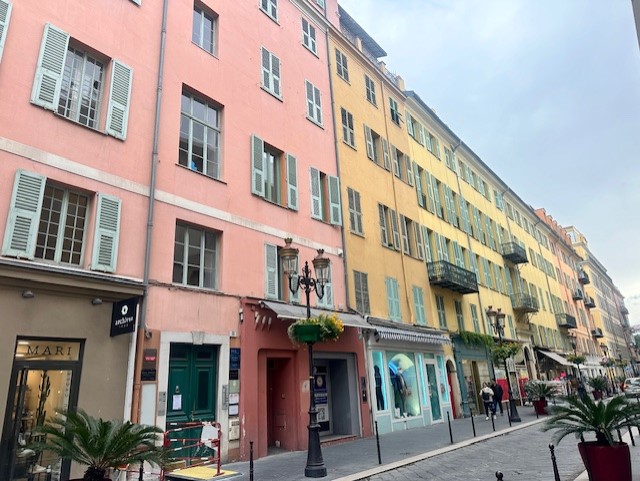
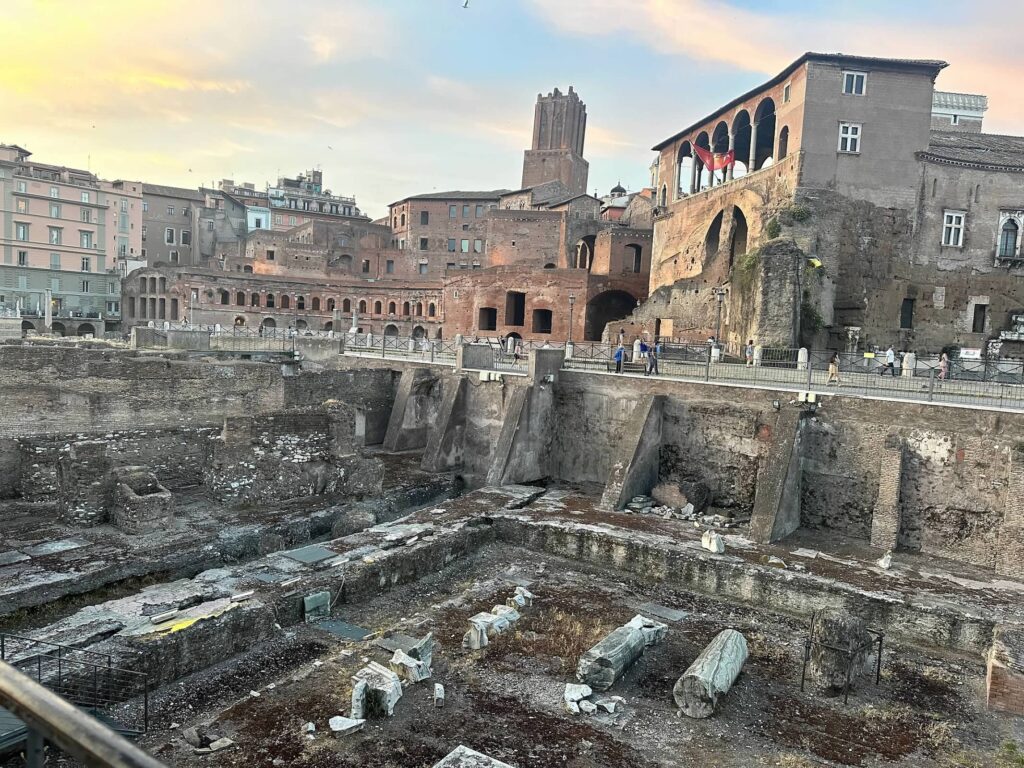
People live in it. Walk through it. Eat dinner in buildings that have stood for centuries. City centers are preserved, adapted, and protected rather than demolished for short-term gain. We love that we can rent an airbnb that is in a 400 year old building. It’s incredible.
This constant proximity to history creates perspective. It reminds you that progress doesn’t require erasing what came before.
In the U.S., history is often flattened or removed in favor of development. Europe shows that preservation and modern life can coexist.
7. Work-Life Balance Is Cultural, Not Performative
The US, again, is the only advanced economy to not guarantee PTO. Having only 2 weeks PTO is not uncommon in the US – not leaving much time to travel or take sick time, or just relax and enjoy your life.
In much of Europe, time off isn’t a perk – it’s expected. Four to six weeks of paid vacation is common, and people actually take it. Life doesn’t revolve around constant productivity.
In the U.S., hustle culture dominates. Time off is limited, frequently unused, and sometimes subtly discouraged. Rest is often framed as indulgent rather than necessary.
Europe reflects a cultural understanding that sustainable productivity requires balance – not burnout.
8. Travel and Culture Are More Accessible
Travel within Europe is often surprisingly affordable.
Budget airlines, efficient trains, and reasonably priced accommodations make exploration accessible to average families. Concerts, sports, and cultural events are priced for locals – not just tourists or the wealthy.
In the U.S., dynamic pricing, excessive fees, and inflated costs often turn experiences into luxury goods. These fees and price gouging is again, another uniquely American thing. We could regulate this – but we don’t.
Europe treats travel and culture as part of everyday life, not exclusive commodities.

9. Easier Movement Across Borders
Crossing borders in Europe is often uneventful – in the best way.
Within much of the continent, borders are almost invisible. Trains quietly pass from one country to another. Languages and cuisines change, but the transition is smooth.
This ease of movement encourages openness, curiosity, and international awareness.
For Americans, borders often feel tense and restrictive. Europe shows what cooperation can look like when mobility is prioritized.
10. Less Emphasis on Being “the Best”
This difference is subtle but powerful.
Europe doesn’t constantly claim to be the greatest. Instead, it focuses on what works, what’s fair, and what improves daily life.
In the U.S., progress is often framed as competition. In Europe, it’s more often framed as quality of life.
Most of our propaganda is just centered around our superiority. In fact, so many American’s don’t know (or believe) that we are lacking compared to Europe. They don’t know that we are missing opportunities for free healthcare, childcare, college, paid leave etc.
That mindset influences everything – from policy to urban design to how people relate to one another.
In My Opinion…
Europe isn’t perfect. No place is.
But traveling there repeatedly – especially as a family – makes it clear how different choices lead to different outcomes. These systems didn’t happen by accident. They reflect values: balance over burnout, community over convenience, livability over spectacle.
The point isn’t to declare a winner.
It’s to ask a better question: What could we learn?
Because loving your country doesn’t mean pretending it can’t improve. Sometimes, the clearest way to imagine a better future is to spend time in places that chose a different path.