How We Pick a Vacation Destination
One of the questions we get the most when people hear about our trips is:
“Wait… how did you pick Poland?”
“Albania? Never heard of it—why would you go there?”
The truth is, our short answer is usually something like: “Well, we want to go everywhere in the whole world, so everywhere has some appeal to us.”
But over time, we’ve realized we actually do have a process—at least a loose one—that guides how we pick where to go. We thought it might be fun to share a peek behind the scenes.
This is especially true for our big summer trips. Long weekends or spring break adventures usually come down to “what’s a good deal” or “what’s easy to reach,” and we’re open to a lot of ideas. But when it comes to our longer summer vacations, we’re more intentional. Here’s how we figure it out.
Step 1: The Retrospective
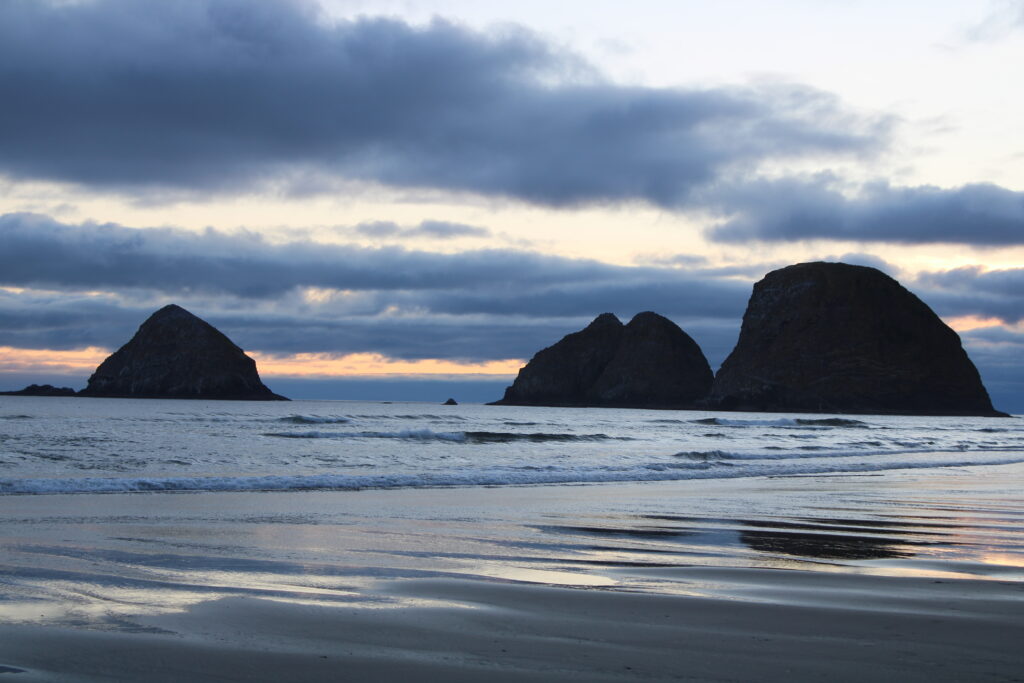
After each trip, we do a little retro—just like you might do after a big project at work. We think back on what went well and what we’d change next time.
- Did we do too much driving and end up exhausted?
- Did we switch hotels too often and never have time to relax?
- Did we love visiting the mountains?
- Did we feel like there were too many crowds?
- Did we wish we had more downtime, or more activities?
For example, one summer we realized we had been moving hotels every nights and had driven at least 30 hours in 2 weeks and by the end, everyone was tired of packing and unpacking and of driving. The next year, we made a point to slow down and stay longer in each spot. Another year, we noticed how much we loved the small mountain towns but didn’t really care for the overly touristy spots – so the following summer we planned around less crowded destinations that had beautiful scenery.
These reflections become the foundation for the next trip. It helps us avoid repeating mistakes and ensures that every year we refine what we really love.
Step 2: Prioritizing What Matters
One of the most fun parts of planning is figuring out what each person values most. We actually borrowed a strategy from design thinking to make this easier.
One time, we sat down as a family and each wrote out the things that mattered most to us when picking a vacation. Then we placed them in a circle of importance—forcing us to prioritize.
The kids wrote things like:
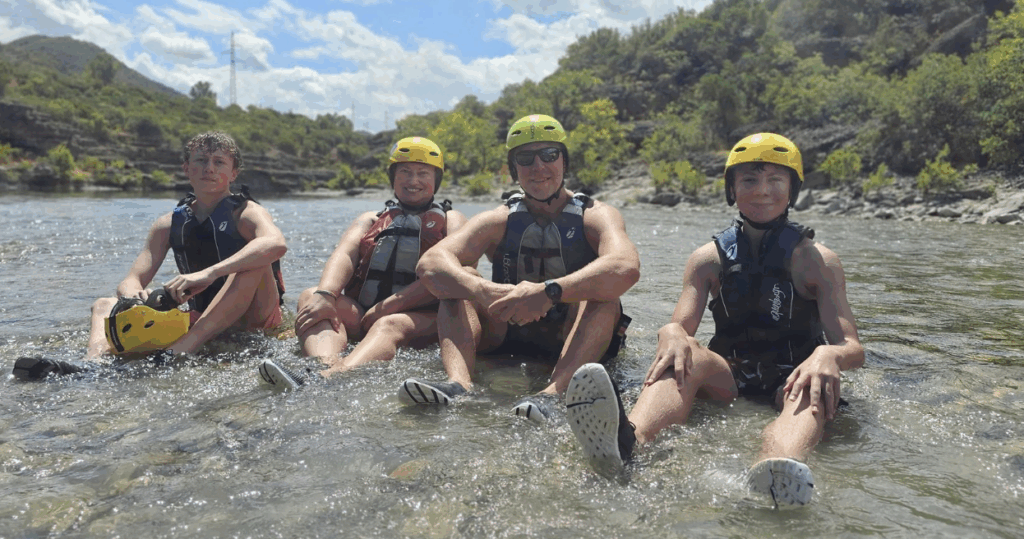
- “Fun activities” (white-water rafting, amusement parks, ziplining)
- “Animals and nature”
Brian wrote:
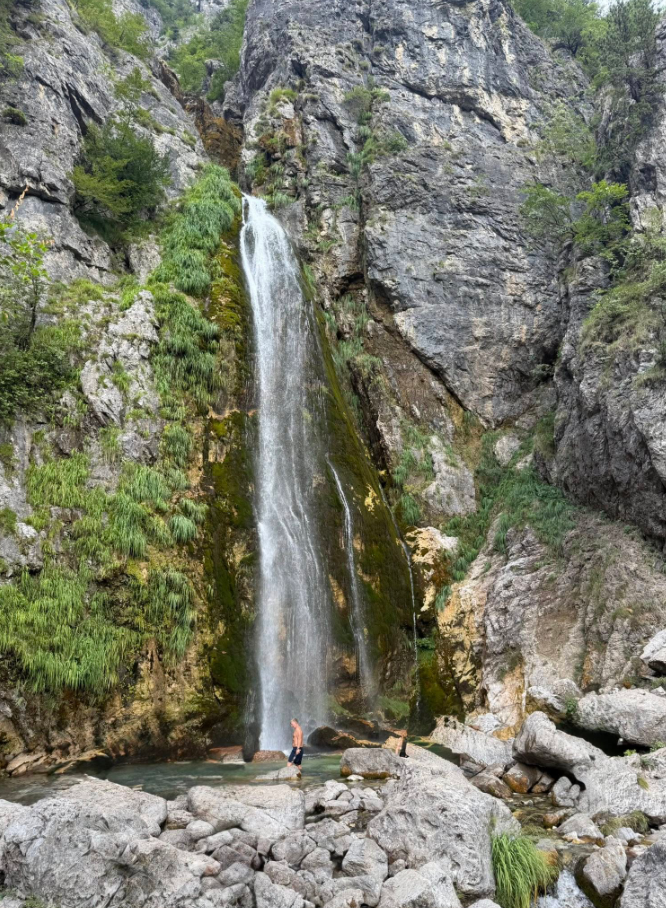
- “Swimming in clear freshwater”
- “Beautiful views”
I wrote:
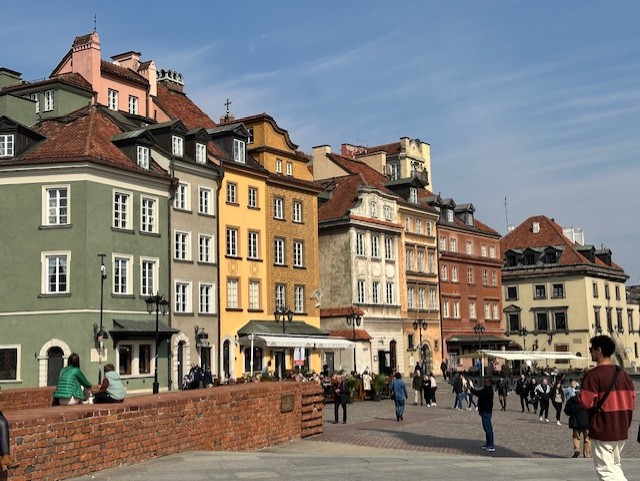
- “Charming small towns”
- “Great food and local culture”
Once we each had our lists, we compared. The top priorities for each of us became the non-negotiables, or at least the things we tried hardest to fit in. This way, no one feels left out, and everyone gets excited about the trip.
Step 3: Making Sure Everyone Gets a Say
It’s easy for travel planning to lean toward the preferences of the person doing most of the research (me!). But we’ve learned the hard way that trips are so much more fun when everyone feels like they had a voice in choosing.
That doesn’t mean every trip checks all the boxes. Sometimes it’s impossible to find a place that has crystal-clear swimming holes, thrilling amusement parks, quaint cobblestone streets, and no tourists. But we try to at least balance things.
For example:
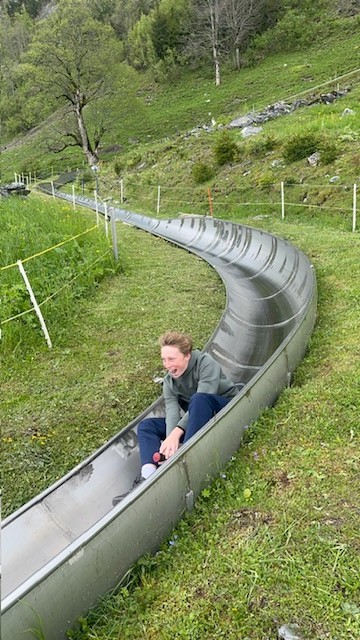
- One summer we picked Switzerland because it had amazing hiking (for Brian to swim), Phingstegg adventure activities (perfect for the kids), and Wengen (a charming small town for me).
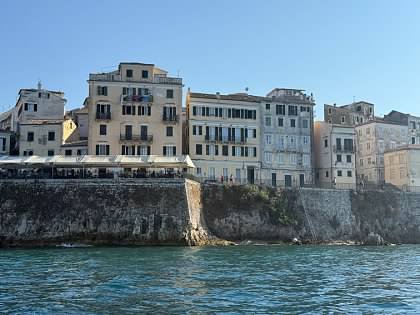
- Another summer we chose Albania because it was less touristy (something we all wanted), budget-friendly, and had both mountains and beaches.
If we can’t check off every single wish, we try to at least make sure each person has something to look forward to. And the things we miss? We save them as inspiration for next time.
Step 4: Looking for Something Unique
We love picking places that surprise people. When someone says, “Why would you go there?”—that actually makes us more excited.
There’s something fun about exploring destinations that are a little off the typical tourist radar. We like showing our kids (and friends back home) that the world is full of amazing places beyond the usual “Paris, Rome, London.”
Sometimes these less-famous destinations also come with bonuses:
- Better budget options (accommodations, food, activities)
- Fewer crowds, which means more authentic experiences
- A sense of discovery, because you’re not following the exact same trail as every other traveler
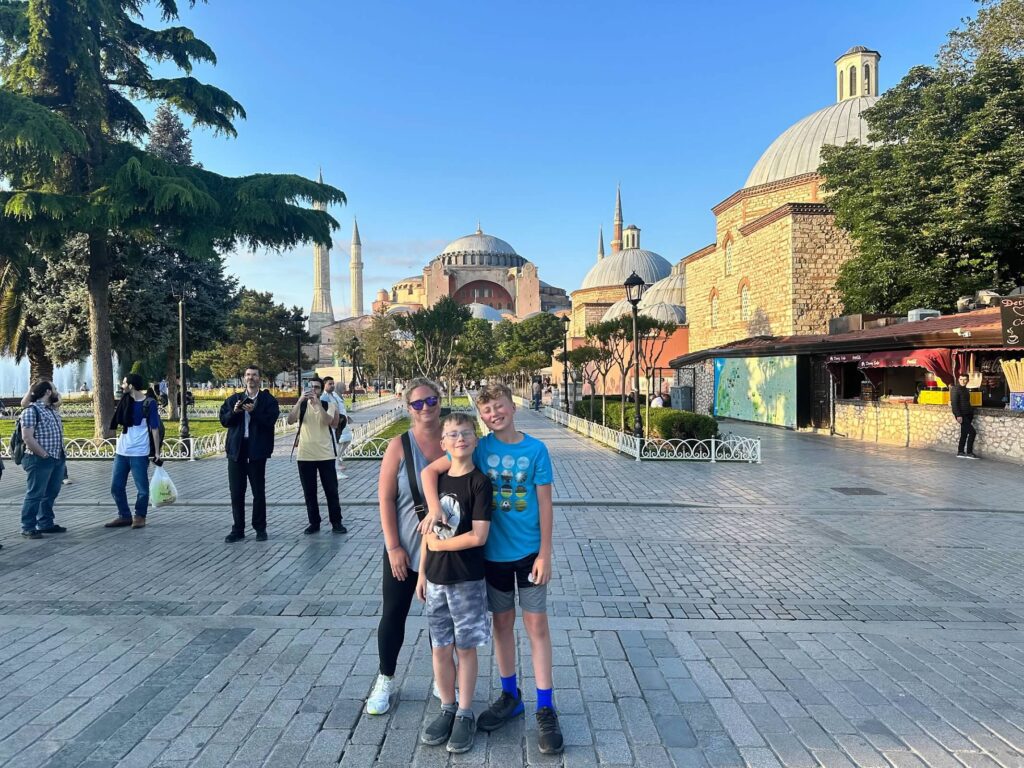
Traveling this way also inspires people around us to think bigger. When friends hear we had an amazing trip to Poland or Turkey, suddenly they start considering places they’d never thought about before.
Step 5: Optimizing Our Time Off
Like most people, we don’t have unlimited vacation time. So when we head across the ocean, we want to make the most of it.
Flights to Europe are expensive, so once we’re there, we try to see more than one place. Europe is great for this because trains and budget airlines make it easy to hop between countries.
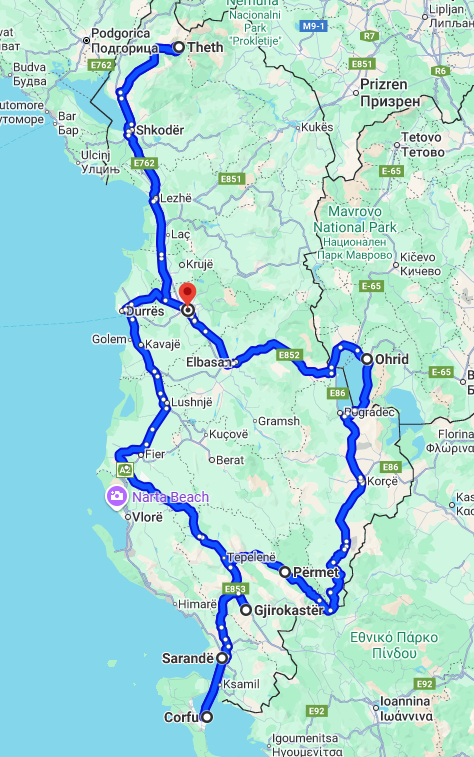
For example, instead of just staying in Albania, we added side trips to North Macedonia and Greece. From one “home base,” we got to see three countries!
This doesn’t mean we rush around non-stop, but we like to maximize our trip by finding a good balance between exploring multiple destinations and still having enough time to relax.
Step 6: Searching for Options
This is where the dreaming begins. Once we have our priorities in mind and a general idea of what we’re looking for, we start searching.
Some of our favorite ways to brainstorm:
- YouTube & Instagram: Travel vlogs and reels give us quick visuals of what a place feels like.
- Maps: We’ll literally sit down with Google Maps, zoom out, and explore regions near places we’re already curious about.
- Google searches: “Most beautiful hikes in ___” or “Charming small towns in ___” often lead us to hidden gems.
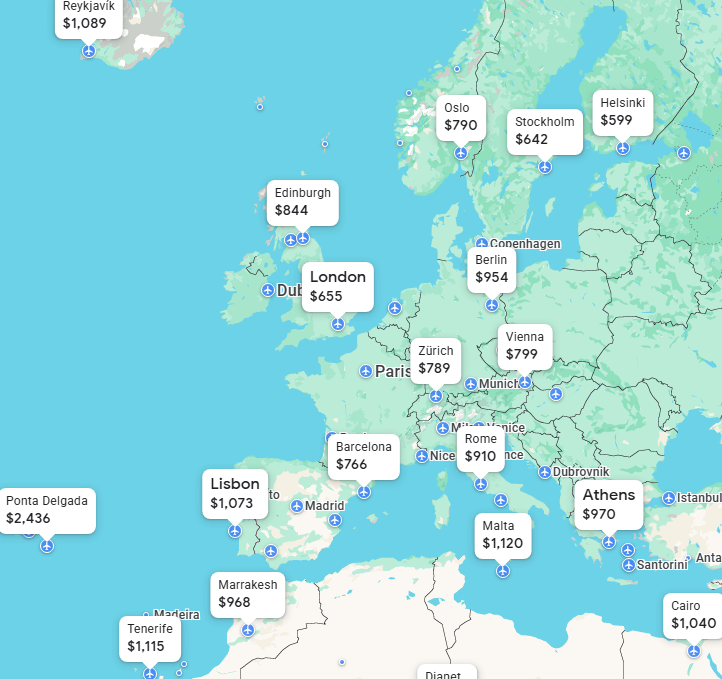
- Flight searches: Sometimes we just plug in our nearest airport and see what pops up as affordable destinations. A cheap flight can spark a whole trip idea.
- Shortlists: Once we have a bunch of options, we try to narrow it down to 3–5 serious contenders.
For a big summer trip, this process can start a year in advance (or even longer). We might not book that early, but we’re constantly keeping an eye out for inspiration, deals, and new ideas.
The Fun of the Process
For us, planning is half the fun. The process of reflecting, prioritizing, balancing, and searching gets us all excited before the trip even begins.
In the end, how do we pick a destination? It’s not a strict formula, but a mix of:
- What we’ve learned from past trips
- What matters most to each family member
- The thrill of discovering unique places
- The practical side of flights and time off
And yes—at the heart of it all is still that original truth: we just want to go everywhere.
The world is full of places we haven’t seen yet, and every destination has something amazing to offer. That’s what keeps us dreaming, planning, and packing our bags year after year.
What about you? Do you have a “system” for picking where to go next, or do you throw a dart at a map and see where it lands?