
“Why Travel With Kids? They Won’t Remember It Anyway.”
We hear this often: Why bother traveling with children when they’re young? They won’t remember it. They won’t appreciate it. They won’t understand it.
We respectfully disagree.
Here are five reasons we believe traveling with kids – at any age – is not only worthwhile, but deeply meaningful.
A Quick Aside on Privilege and Perspective
Before diving in, it’s important to acknowledge that not everyone has the ability or opportunity to travel – at all, or in the way we do. We are incredibly grateful for the experiences we’ve been able to have. We also recognize that travel looks different for everyone. For some families, a beach vacation or a trip to Disney World sounds far more appealing than navigating multiple countries in Europe—and that’s perfectly fine.
Our goal isn’t to prescribe how families should travel. Our goal is to encourage exploration, curiosity, and learning. Even if you never leave your city, many of the same principles can still apply.
1. We Don’t Want to Wait for “Someday”
We don’t want to postpone life for a hypothetical future.
While it’s uncomfortable to admit, none of us are guaranteed unlimited time, money, health, or opportunity. There may be seasons in our lives when travel simply isn’t possible. So, while we are fortunate enough to have the resources, flexibility, and ability to go – we choose to go now.
It feels like yesterday that our kids were babies. Time moves quickly. We don’t know what life will look like once they graduate – whether they’ll want to keep traveling with us or be off building lives of their own. Because of that, we want to make the most of this chapter and create as many shared experiences as we can.
We have, potentially, 18 summer vacations with our kids. We’ve started plotting out the places we really want to go before they graduate, to complete the most well rounded travel plans for them. It’s weird to plan with only a few summers left, but it’s so worth it.
2. Even If They Don’t Remember Everything, We Do
It’s true – our kids don’t remember every trip or every detail. And that’s okay, for several reasons.
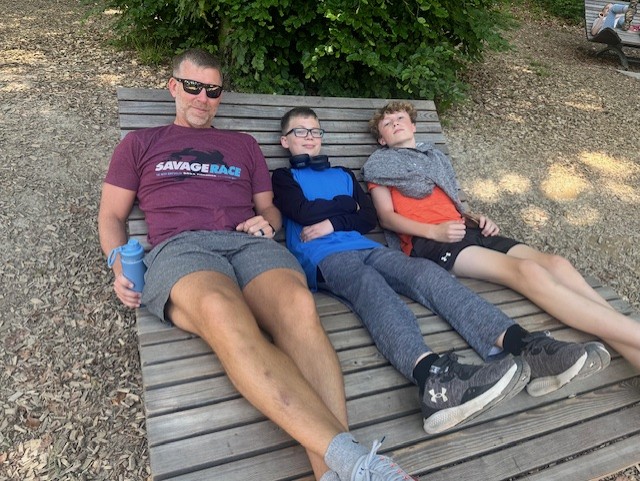
First, while children may forget specifics, they remember how experiences felt. They remember joy, excitement, adventure, and togetherness. They remember the moments when work, school, phones, and distractions were set aside and we were fully present as a family.
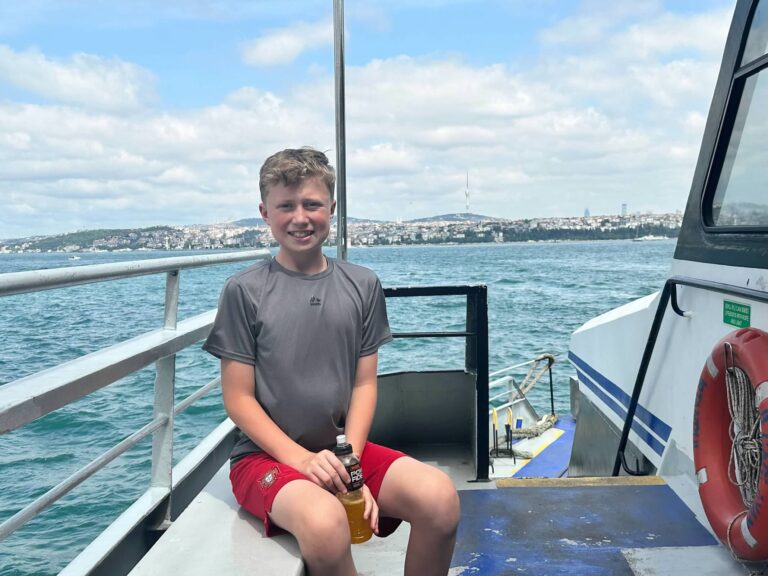
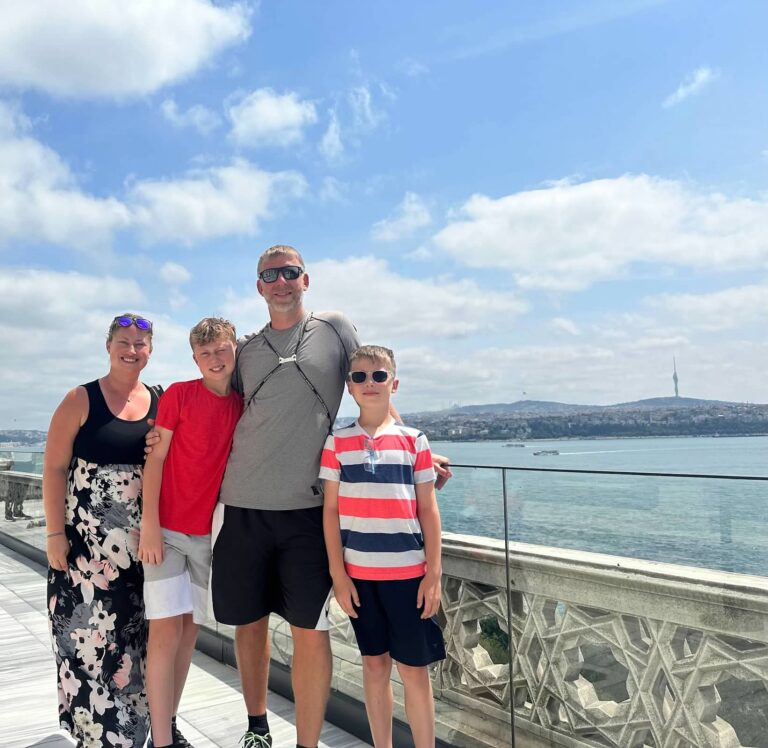
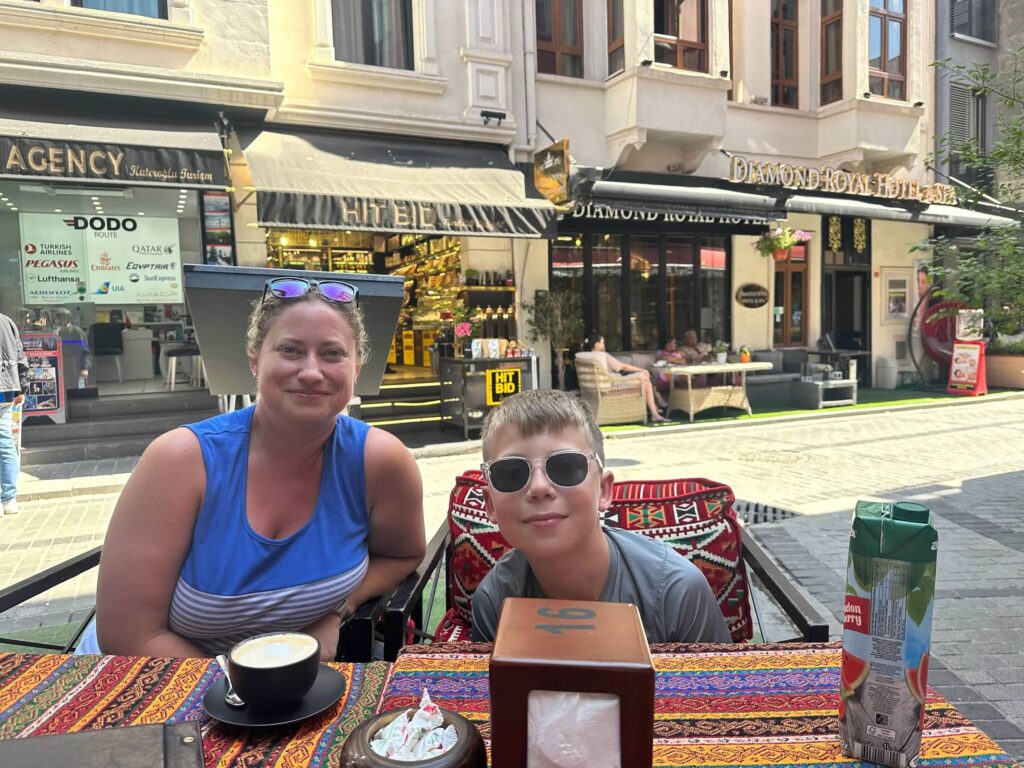
Second, we talk often about our past travels. We revisit photos and videos together, retell stories, and reflect on shared moments. This helps those memories take root. Our kids still talk about walking among the tallest trees in California, swimming with turtles in the Caribbean, or counting cats in the streets of Istanbul.
And just as importantly, these experiences create lasting memories for us as parents. Watching our children experience the world – seeing it through their eyes – is incredibly meaningful. Those memories matter, too.
3. Travel Builds Life Skills and Broader Perspectives
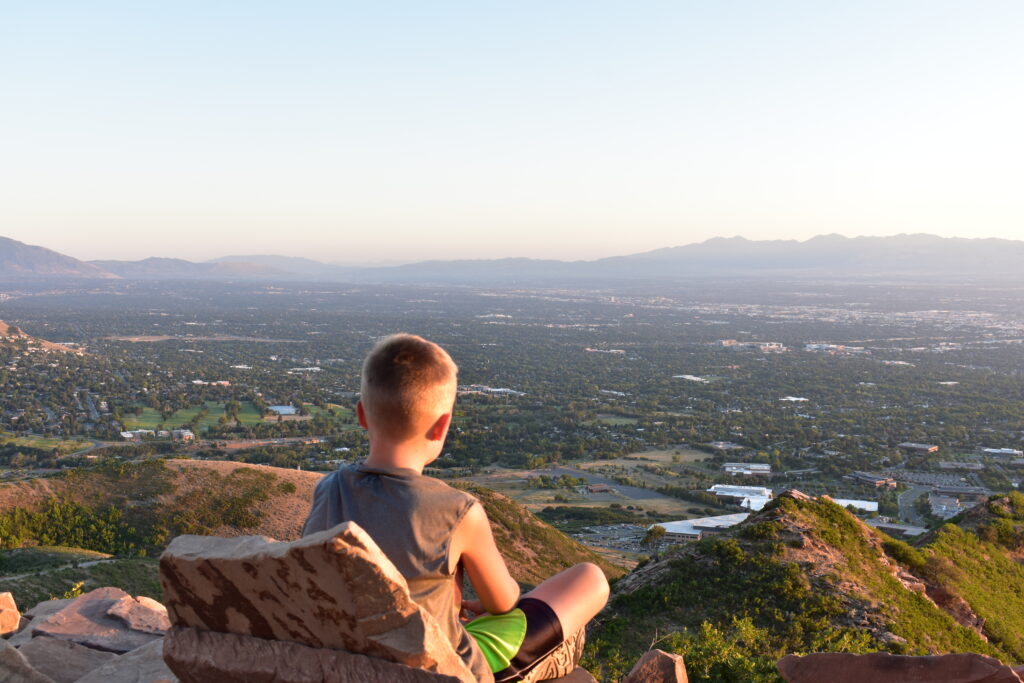
Parenting is hard, and there is no single “right” way to do it. It’s not overly helpful to compare parenting techniques, because we each do things differently, for different reasons. For us, it was important to raise children who are thoughtful, aware, and engaged with the world around them. And travel is how we have approached it.
Travel naturally introduces complexity: logistics, unexpected challenges, decision-making, and adaptability. Involving our kids in these processes helps build confidence and resilience. Exposure to different cultures, religions, languages, and ways of life fosters empathy and curiosity—qualities that are difficult to teach in isolation.

4. Creating Meaningful Family Memories
We take a lot of photos and videos – probably more than necessary 😁. But revisiting them brings us immense joy. We turn many trips into photo books and videos, primarily for ourselves, though we sometimes share them to help others plan their own travels.
These memories tell the story of who we are as a family. They allow our kids to see the experiences we’ve shared, the places we’ve explored, and the way we’ve grown together. Over time, these moments become part of their personal narrative.
5. Builds Critical Thinking Skills
We love living in the United States and are grateful for many aspects of life here. However, we don’t believe it’s helpful – adults or children – to assume that one country does everything best or that there’s only one “right” way to live.
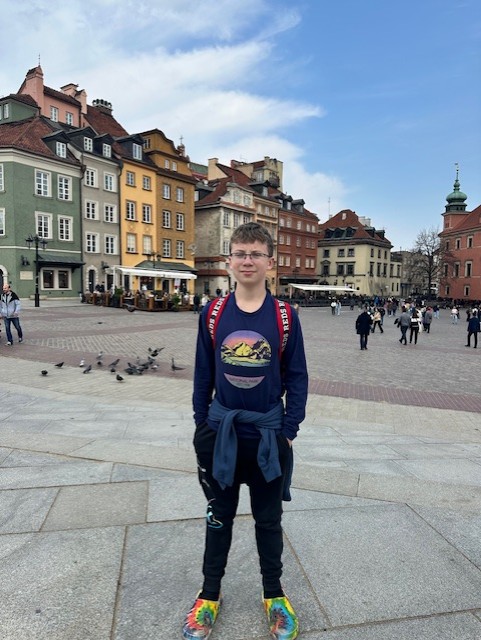
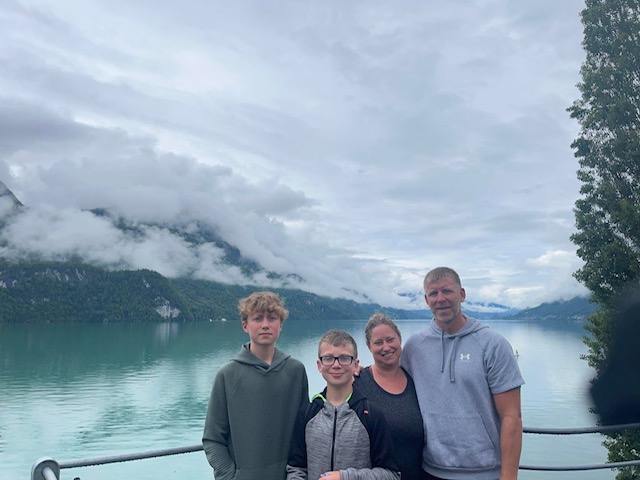
Our kids have experienced Switzerland’s clean, efficient public transportation and asked why similar systems don’t exist at home. They’ve noticed how safe it feels for children to walk independently in cities in Poland. They’ve observed walkable Italian cities where people gather in public spaces and wondered why that’s less common where we live.
We also talk openly about ideas they didn’t directly experience: universal healthcare, paid parental leave, free or low-cost higher education, and discuss how other countries approach these challenges. Travel gives our kids the tools to think critically, ask questions, and understand that progress often comes from learning how others do things differently and questioning the status quo.
What If Traveling the World Isn’t an Option?
We know that not everyone can travel internationally – or at all – right now. Financial limitations, work schedules, or life circumstances can make travel difficult. But many of the same benefits can be found closer to home.
Here are a few ideas we recommend:
- Be a tourist in your own city. Explore museums, neighborhoods, landmarks, and attractions you may have overlooked.
- Take day trips. Search for “things to do within two hours” of where you live and keep a running list for spontaneous adventures.
- Visit local attractions. Zoos, markets, parks, hiking trails, and unique lunch spots can be just as enriching.
- Take advantage of free activities. Outdoor concerts, community events, libraries, and playgrounds offer meaningful experiences at little to no cost.
- Volunteer together. Supporting local organizations helps children understand empathy, gratitude, and community responsibility.
The main goal is simple: get out there together. Explore. Talk about the world. Talk about your children’s interests. Encourage curiosity – even if it’s just for a few hours outside their usual routines.
Because in the end, it’s not about how far you go. It’s about choosing to experience life together.